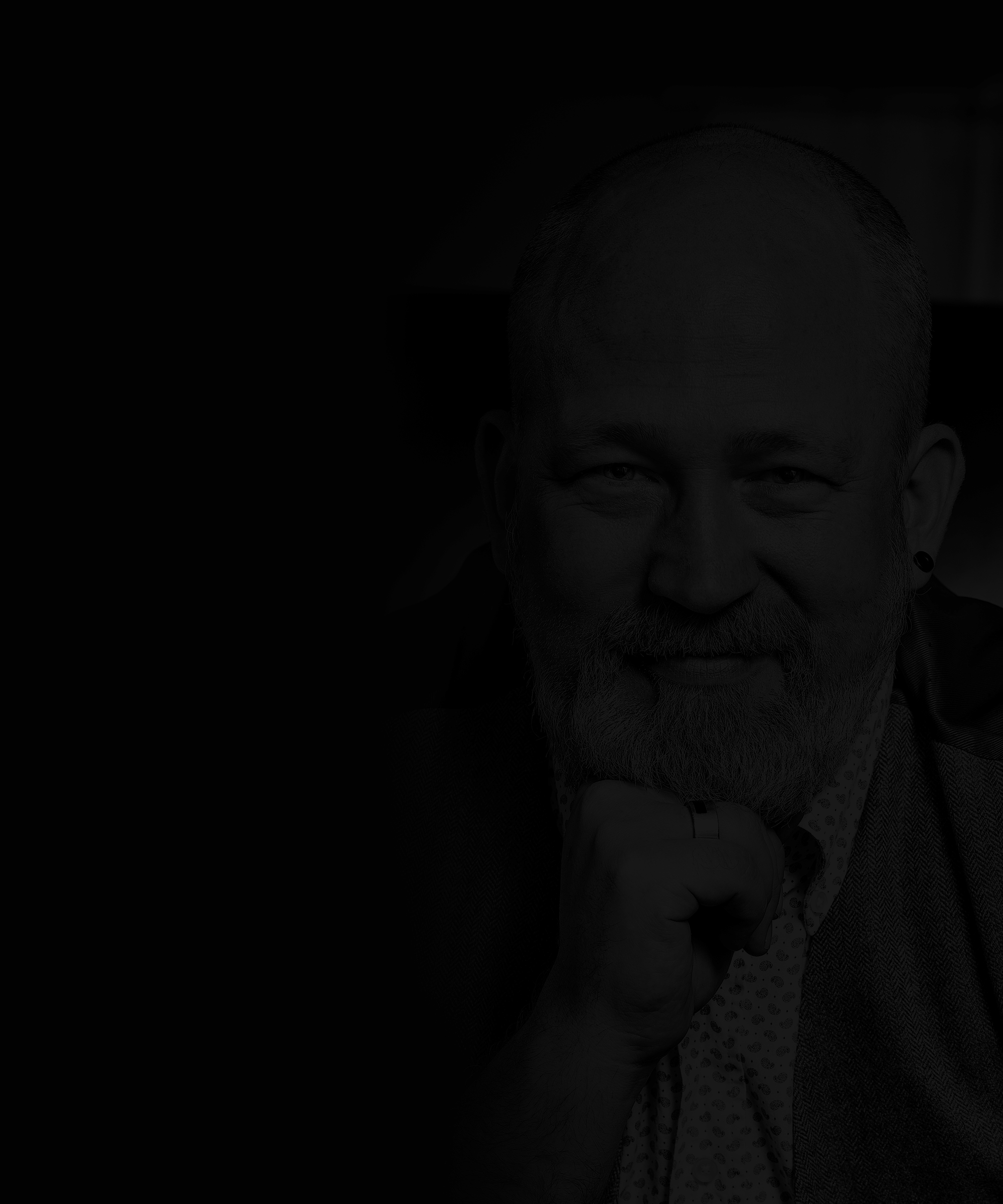
A relational worldview in progress
My thinking does not start from a single discipline but from a refusal to treat disciplines as separate territories. My trajectory, from archaeology through graphic design and CGI to philosophy and more, is not a detour but the method itself: insights emerge where fields touch that seemingly have nothing to do with each other. What intrigues me are concepts of thought that only become visible in that combination, never in the purity of one field.
The thread running through all of it is relationality. I do not see the human being as an autonomous island but as a node in dense relational webs: biological, social, technological, ecological and historical. That intuition first took shape in my work on the noosphere, the idea of an emerging layer of collective human thought, and in my early theory of ambicentric versus monocentric thinking. There, the emphasis in our relation to the other shifts from actions and outcomes to mindset: when I bring the thinking processes of the other into view from the very start, I not only add dimensions to my own worldview but also develop an early sensitivity to the worldview of that other. Thinking about thinking thus becomes not an academic luxury but a social competence.
That line has since crystallised into Plexorealism, the worldview I am currently developing as research. Plexorealism rejects the forced choice between hard facts and soft perspectives. Reality has two inseparable faces: resistance, that which pushes back, such as bodies, limits, ecosystems and consequences, and meaning, that which cannot be measured but can be lost, such as dignity, trust, memory and the sacred. Through that double lens I rethink the major categories. Culture is not a static container of identity but a living repertoire of answers to vulnerability. Identity is not a fortress or an essence but a contact zone where the self arises through encounter, translation and friction. Ethics is the maintenance of connection: limiting harm, sustaining truthfulness, guarding pluralism and organising repair within damaged relations and systems. Politics moves beyond state and representation and is read as a struggle over the infrastructures that make lives possible: energy, data, logistics, finance, standards. On a planetary scale, humanity is one species with many worlds, forced into factual interdependence without prior moral consensus, especially under conditions of polycrisis. Meaning in life, within this framework, is not a hidden metaphysical secret but an emergent effect: the degree to which my presence makes the shared web less cruel, less stupid and more truthful. The ideal that follows from this I call relational competence, the minimal form of adulthood for an entangled species.
In parallel, in Muppetry of the Mind, I am developing an analytical instrument for the inside of that node: the question of who or what is actually speaking when we think, and how interpretive reflexes steer our lives on autopilot. My essay on the monad states the task sharply: to become responsible for your interpretive reflexes, not by abolishing them, which is impossible, but by seeing them clearly enough that they no longer govern you. Here my work touches my older themes of deception and self-deception, responsibility in thinking processes, truth and post-truth, and the question of how educational systems can cultivate attitudes and dispositions of thought rather than merely transmit knowledge.
That same relational thinking becomes political in my tessellary approach. Against the worn-out left-right continuum I place the image of the mosaic: politics as a formal language of tiles, seams and seam rules, where legitimacy and durability reside not in the tiles themselves but in the quality of the joints. My concern about hyperpolarisation and about attempts to rewrite history under political pressure follows from this as well: polarisation, for me, is not disagreement but seam failure, the breakdown of the infrastructure that keeps difference livable.
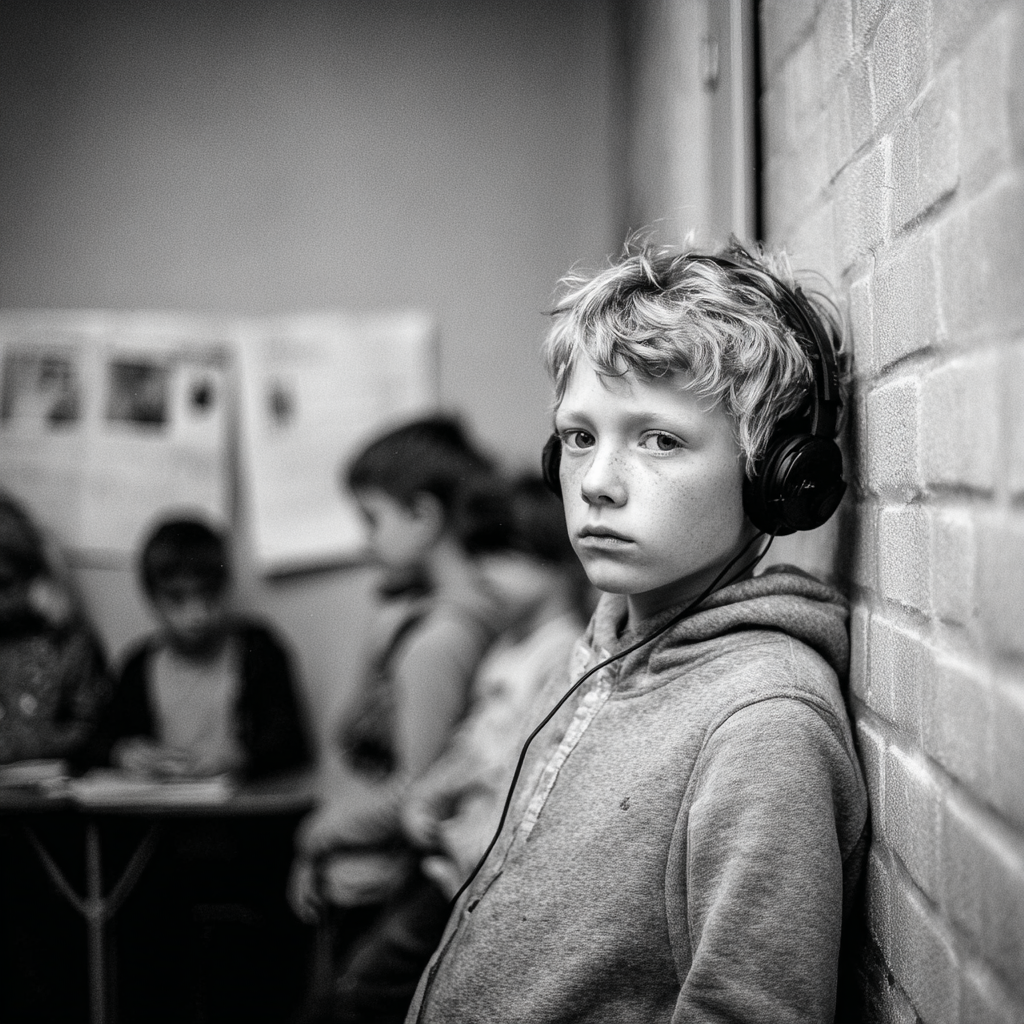
Two themes give this thinking a personal and empirical anchoring. The first is neurodiversity, particularly in children and adolescents: agency, systems and the complexity of belonging, and the emotional burden neurodivergent young people carry at school. Recognition, as the cornerstone of non-transactional care, is the key concept here: seeing the child as it is, not as currency for desired behaviour. The second is the revival of psychedelics research, in which I see a possible expansion of our theory of mind, the capacity to attribute mental states to others, crucial for any form of social coexistence.
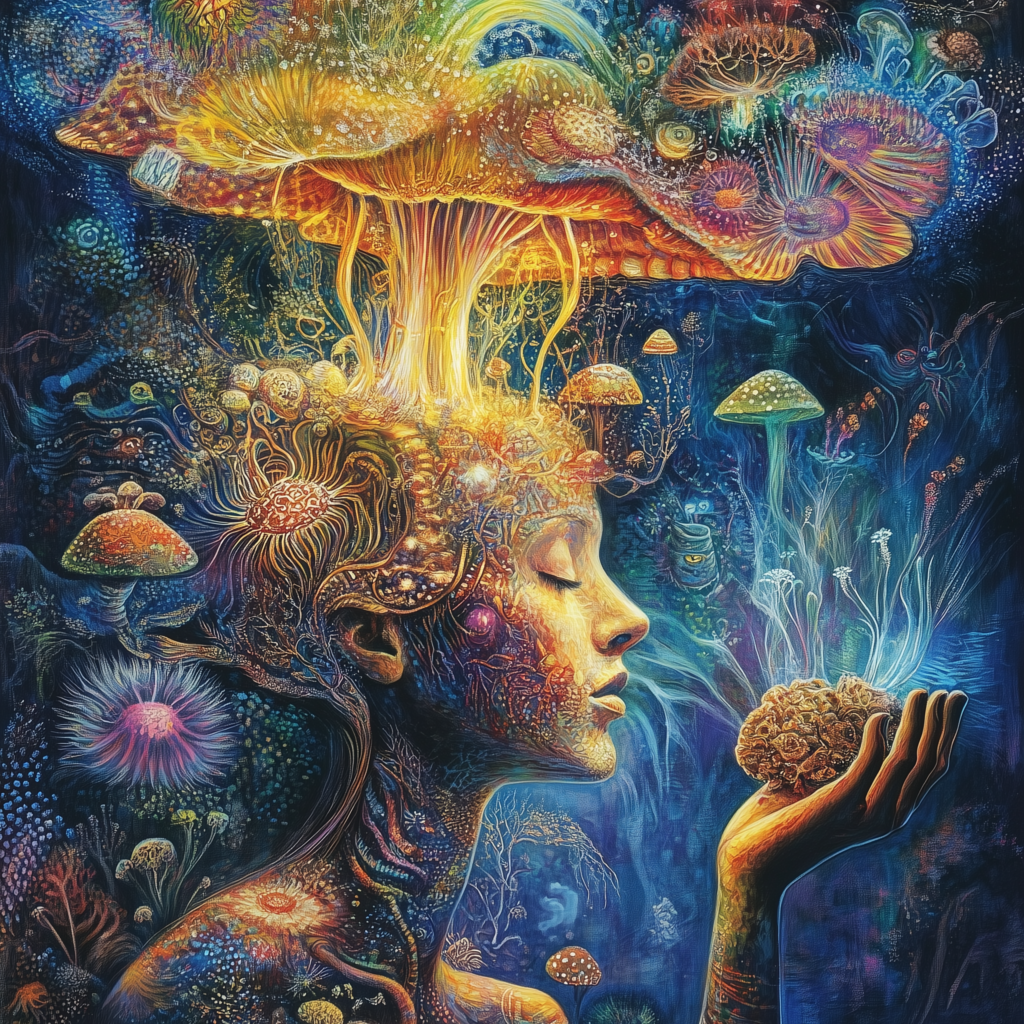
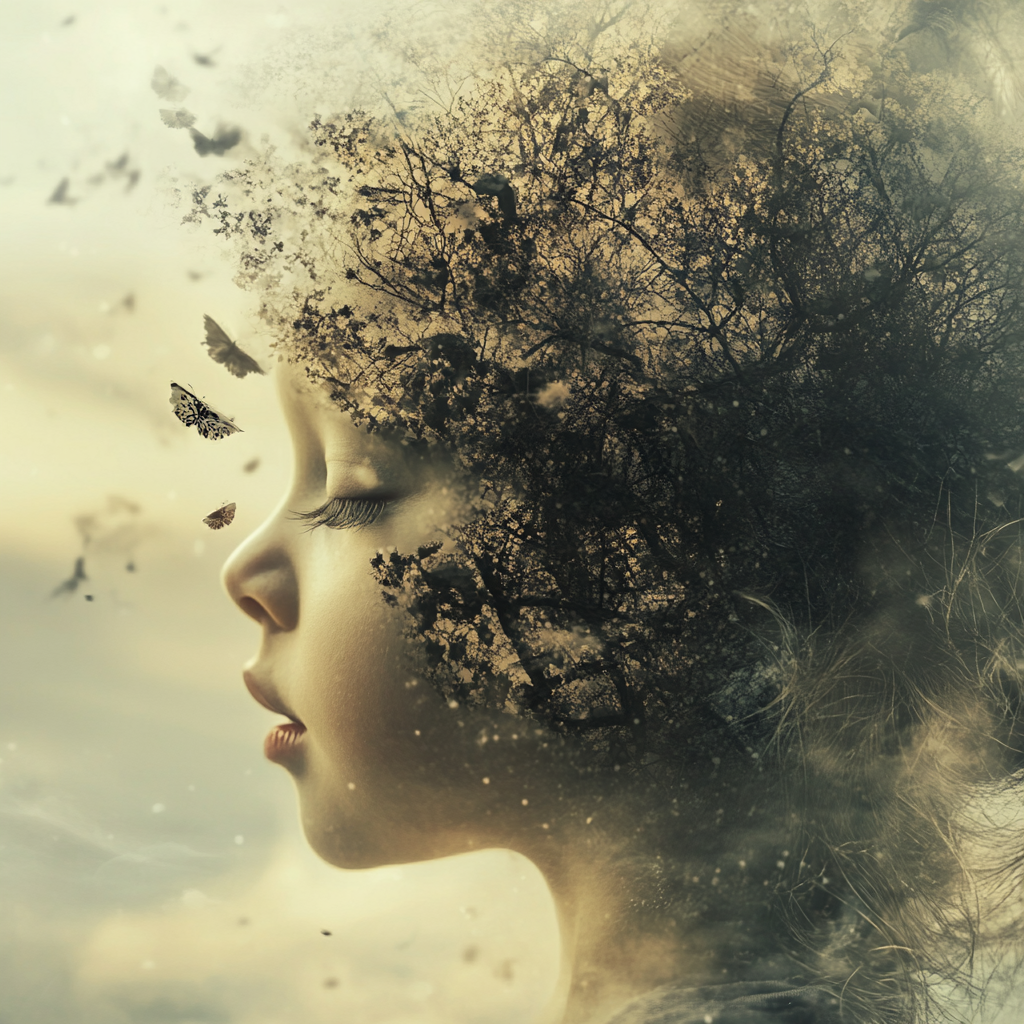
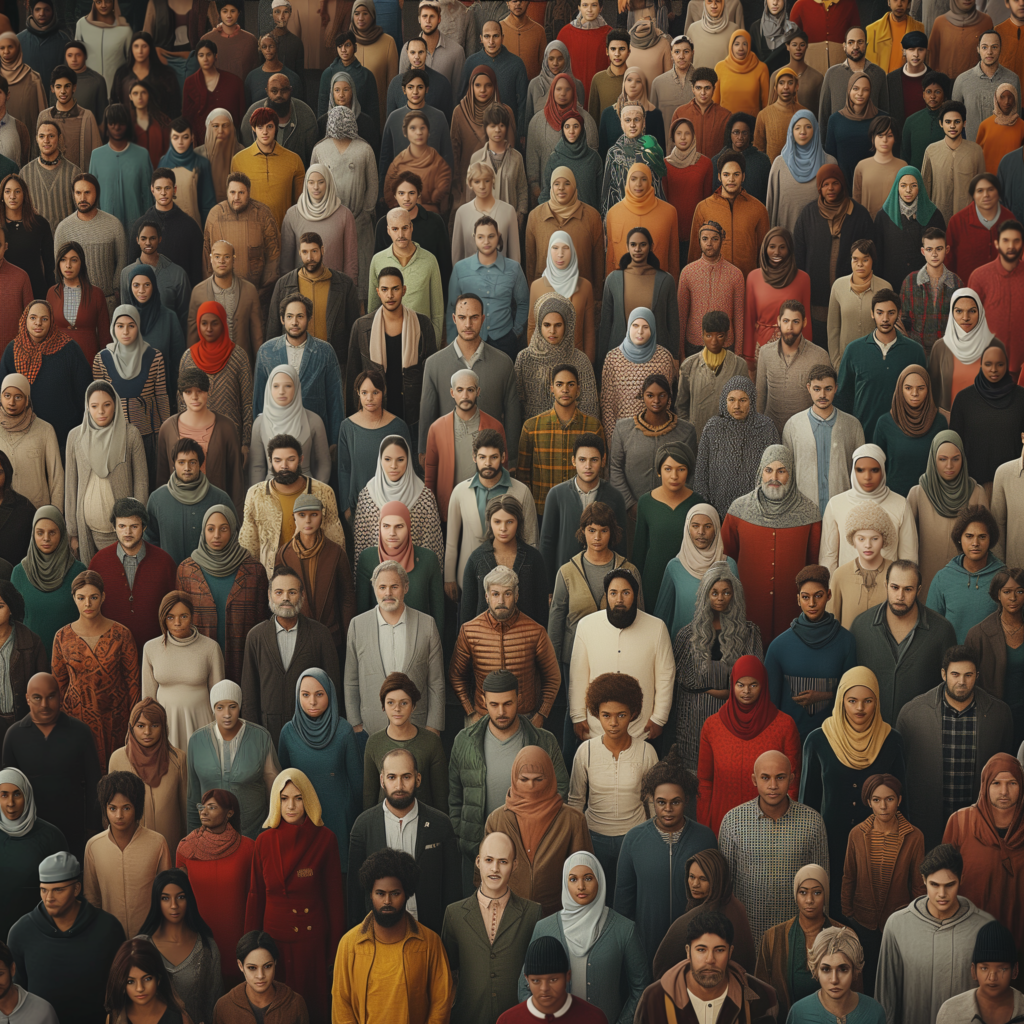
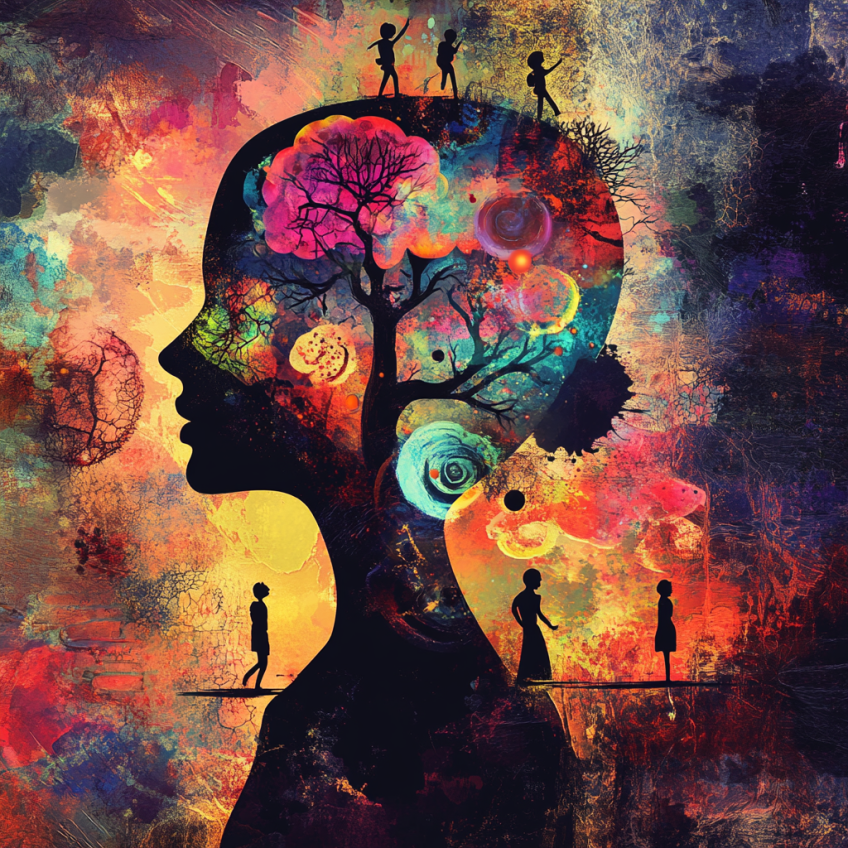
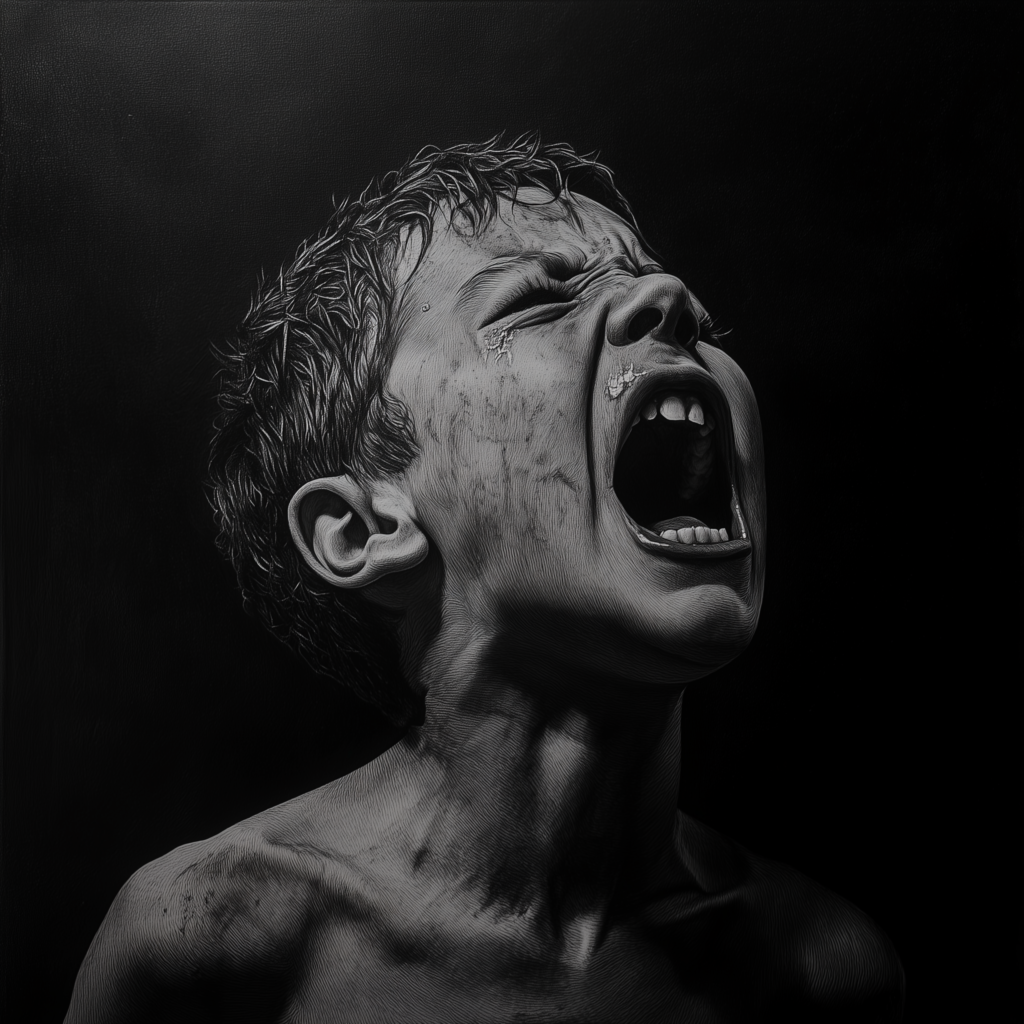
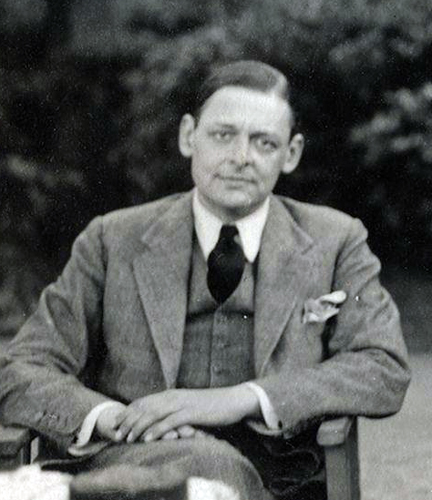
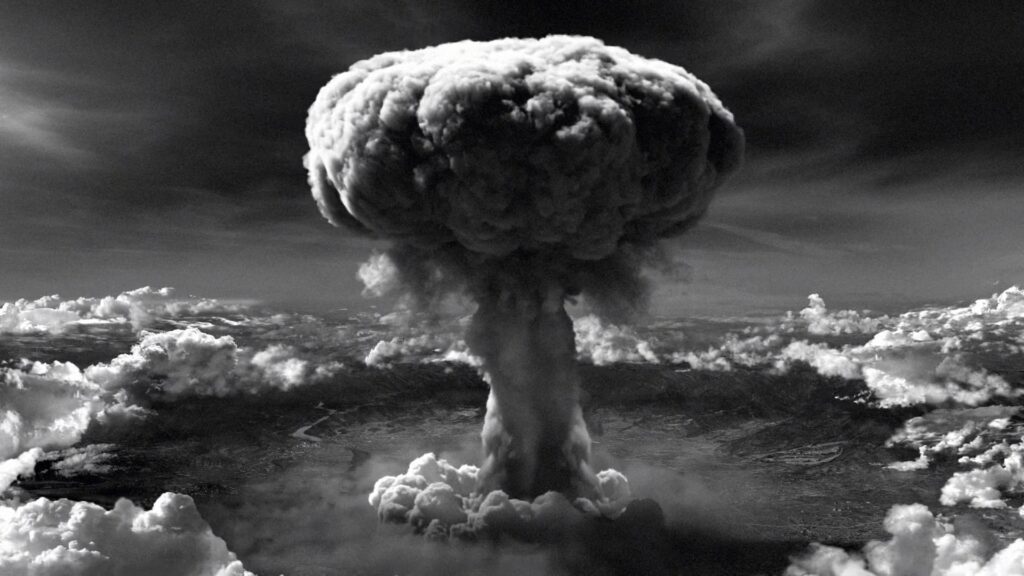
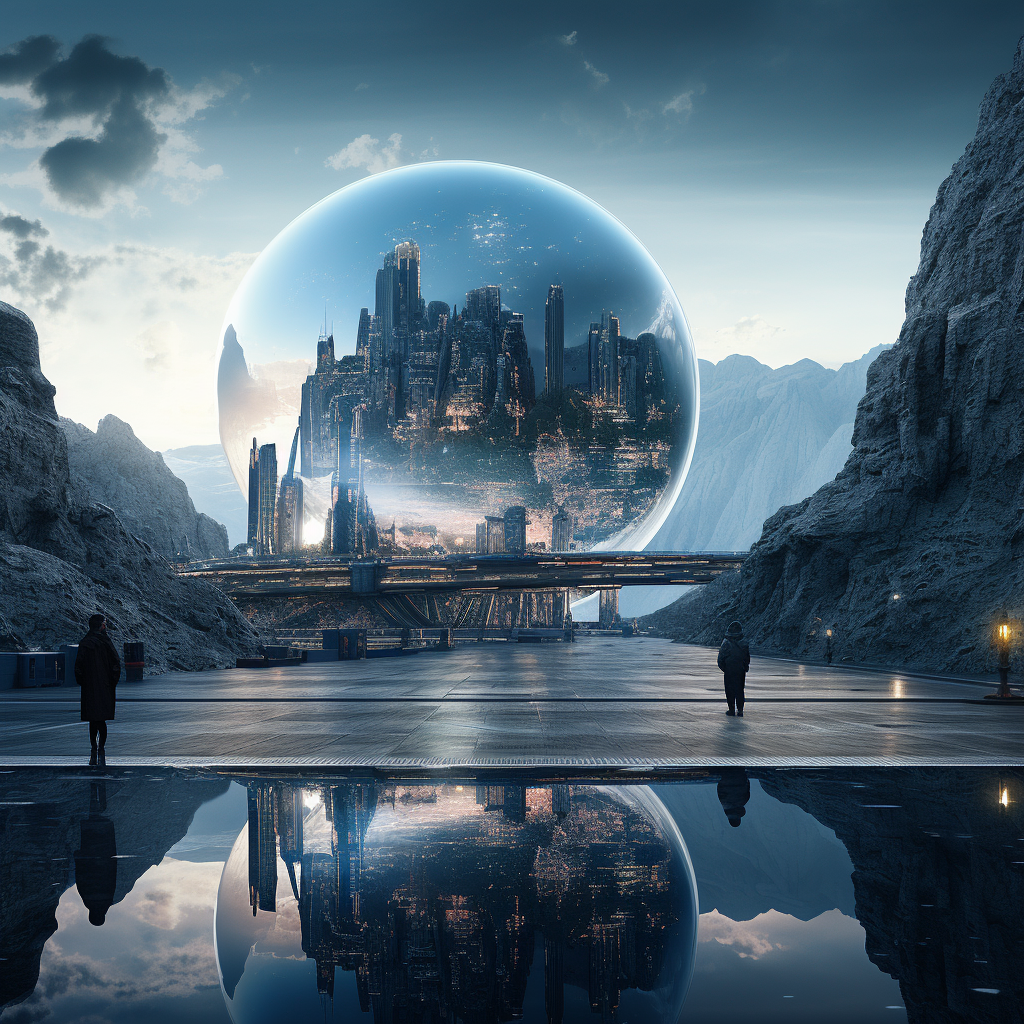
Finally, there is my artistic practice, which is not an illustration of the thinking but a second path of thought. In Neurimages I let a story machine generate synthetic images from fragments of poetry, subsequently vectorised, decoloured and even rorschachised, with one question for the viewer: what is your perception? It is Plexorealism in visual form: meaning arises in the encounter, not in the object. My attempted poetry, from The Child’s Fire to About Silence and Death, does the same with language: it does not think about vulnerability, it shows it.
Whoever surveys the whole sees one movement in many guises: away from the autonomous, monocentric I, towards a human being who understands itself as node, contact zone and seam worker. Science, art, thinking, people, world, play, poetry and work, the eight words with which my site opens, are not a list of interests but the tiles of a single mosaic.
ME
Born in 1976, Bruges, I came a long way from my days of having a one-man office in a small room in Ghent. I studied some archaeology at Leuven University, Graphic Design at Sint-Lucas Ghent, some Computer Generated Imagery at UFT Toronto and was freelance for over 20 years. Being interested in a wide array of knowledge on a variety of subjects, useful or not I lately became rather intrigued in thinking concepts that emerge from combining insights from fields that don’t seem connected.
I’m a proud father of two sons (22 y and 12 y), philanthropist, global citizen, piano player, drummer, terrible cello player, music&soundsmaker, comic/whisky collector and motorcyclist in heart and soul.
BIO
Earlier I was chairman of The Fellows, a project of the PostGraduate School of Thinking at the Free University of Brussels (VUB) and still attempting to start my PhD candidate at the Center Leo Apostel for Interdisciplinary Studies (CLEA) VUB. I hold an MA in Arts from the Luca School Of Arts of Ghent and a postgraduate at the School of Thinking (VUB). Simultaneously, I act as ceo of Planet Polaris (BE) a creative group with two headquarters in Europe, representing creative and technical talent in the fields of marketing and commmunication for over 20 years.
Being interested, for years, in a wide array of knowledge fields, and a broad spectrum of subjects, either useful or not, I became intrigued in thinking concepts that emerge from combining insights from seemingly unconnected fields. Today, I’m exploring my conceptions of a potential new theory of ambicentric vs. monocentric thinking, investigating how human beings could put an emphasis, in their relations towards the other, on the mindset rather than on the actions (or the results) in order to create a framework for identifying thinking processes, in such a way that it adds new dimensions to our worldview but also provides us, from the early start of the process, with an awareness of the worldview of the other. The expected outcome of this study is firstly, to contribute to the theoretical discourse in thinking concepts and the cognitive orientation / exploration of the individual in particular, or the explorative community in general. Secondly, to transpose the thus created contribution to an applied explorative framework and methodology and thirdly, to apply this framework and methodology from theory, to practice into a new format looking at our worldview from other meta perspectives. Simultaneously, I’m particularly interested in the resurgence in research on psychedelics over the last two decades and how naturally occurring psychedelic prodrugs might add new dimensions to our theory of mind, crucial for success in everyday human social interactions.
EXPLORATIVES
Lately I am highly intrigued by the responsibility in thinking processes, truth / post truth, freedom, social systems and how and why this influences / affects the individuation process, ontology / ontogenesis & the worldviews of human species.
Topics & Interests: deception and self-delusion, responsibility in thinking processes, truth / post truth, freedom in thinking and actions, educational systems fostering attitudes and dispositions of thinking, social systems and how and why these globalities can influence the individuation process, the ontology / ontogenesis & worldviews of human species.
RESEARCH on Plexorealism
My research develops Plexorealism as a contemporary worldview that rejects the forced choice between hard “facts” and soft “perspectives”.
It argues that human beings are not autonomous islands but nodes in dense relational webs: biological, social, technological, ecological and historical.
- Reality is conceptualised as having two inseparable faces – resistance (what pushes back: bodies, limits, ecosystems, consequences) and meaning (what cannot be measured yet can be lost: dignity, trust, memory, sacredness).
- Culture is analysed as a living repertoire of responses to vulnerability rather than a static identity container, which opens a trans-cultural comparison of how societies organise pain, conflict, desire and death.
- Identity is reframed as a “contact zone” where selves emerge through encounters, translation and friction, instead of as a fixed essence or defensive fortress.
- Ethics is proposed as the maintenance of connection: the ongoing work of limiting harm, sustaining truthfulness, preserving pluralism and organising repair in damaged relationships and systems.
- Politics is reinterpreted beyond state and representation, as contestation over the infrastructures and conditions that make lives possible – energy, data, logistics, finance, standards.
- On planetary scale, the project reads humanity as “one species, many worlds” forced into de facto interdependence without prior moral consensus, especially under polycrisis conditions.
Meaning in life is understood not as a hidden metaphysical secret but as an emergent effect of how one’s presence makes the shared web less cruel, less stupid and more truthful.
Overall, the study sketches a new ideal of relational competence as a minimal form of adulthood for an entangled species.
DNA, music & Furz
trying/prepairing to be a PhD candidate at the Center Leo Apostel for Interdisciplinary Studies (CLEA) VUB
Previous chairman of The Fellows, a lofi project of the PostGraduate School of Thinking at the Free University of Brussels (VUB)
Formarly known as Provost Buckminster College – Bruges
Every now and then doing some stuff for CLEA: Centre Leo Apostel – VUB
MC of Planet Polaris, Kledingpunt & Clever & Cool
M.A. – Luca School of Arts – Ghent
mindset behind Vik2r Dantz
Member of Philosophy Portal












LATEST MINDSCAPE
NEURIMAGES
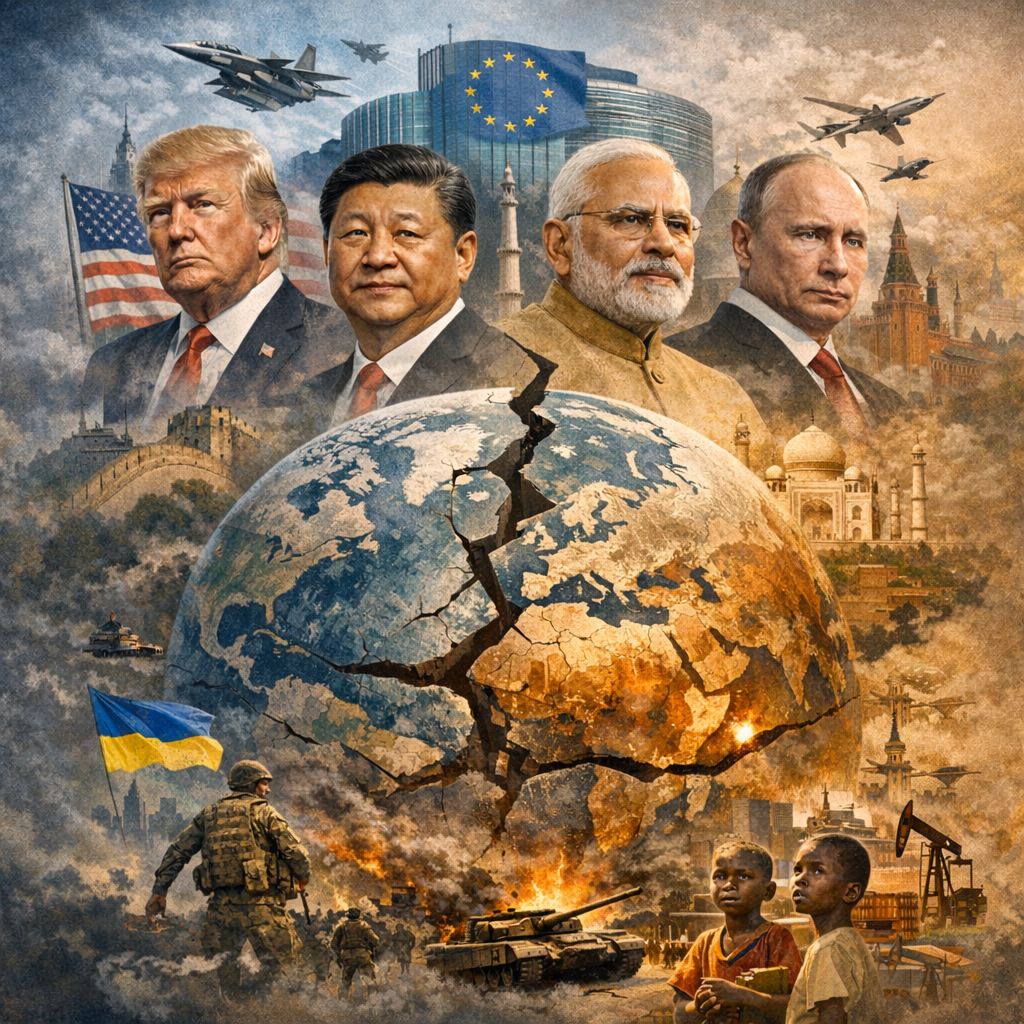
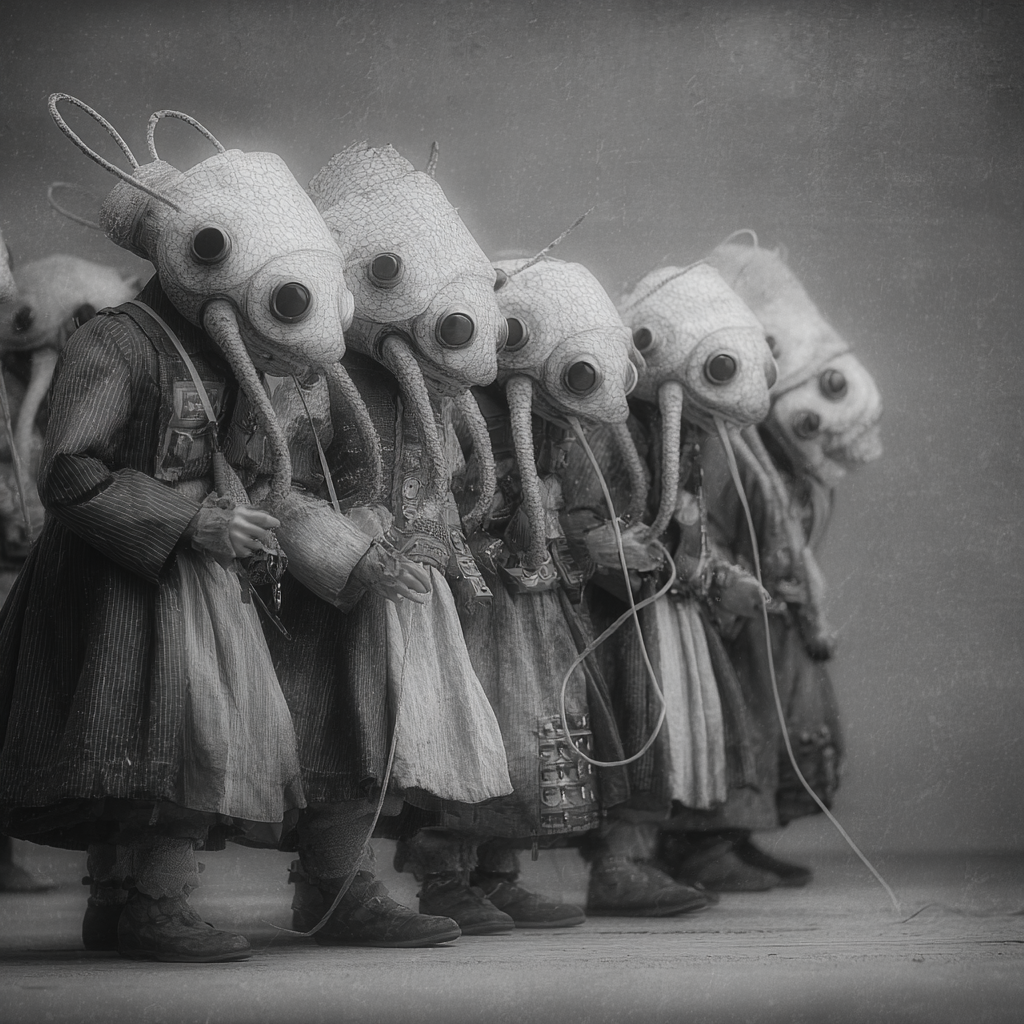
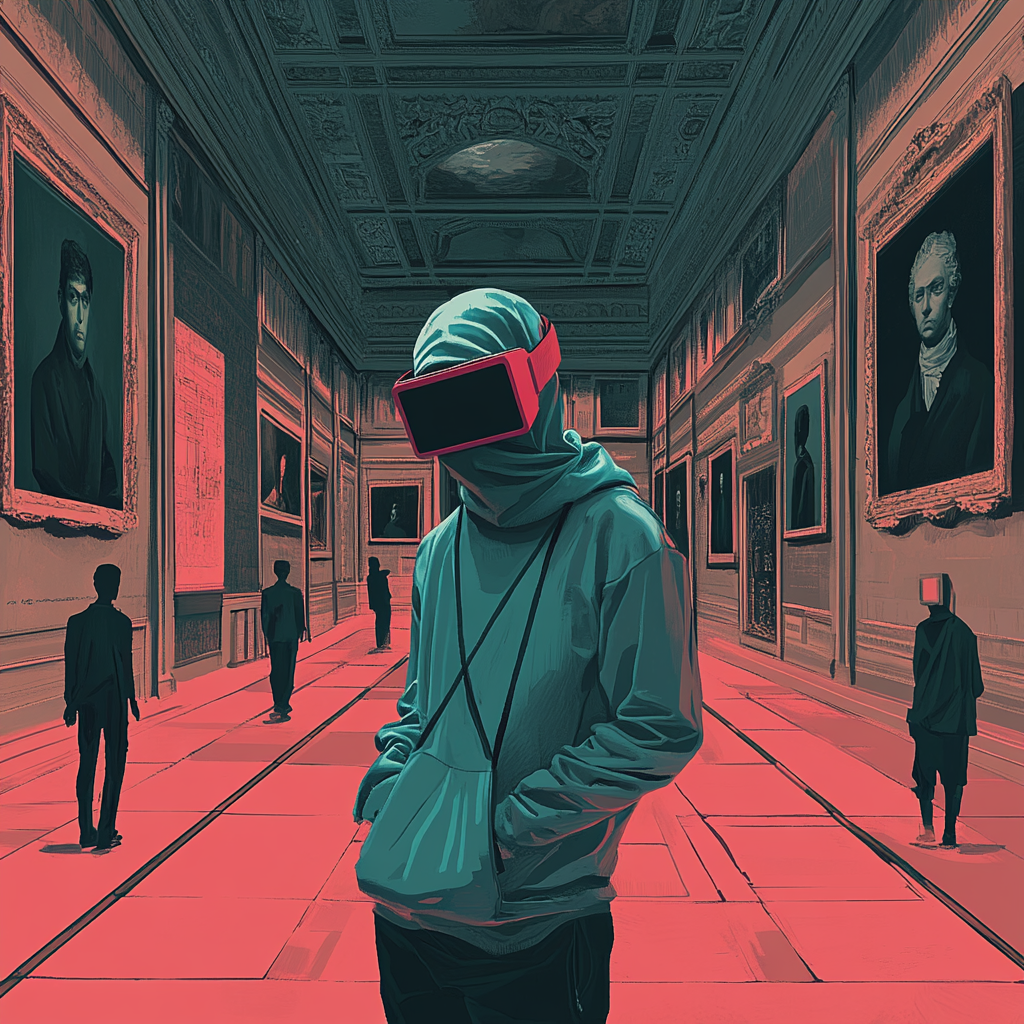
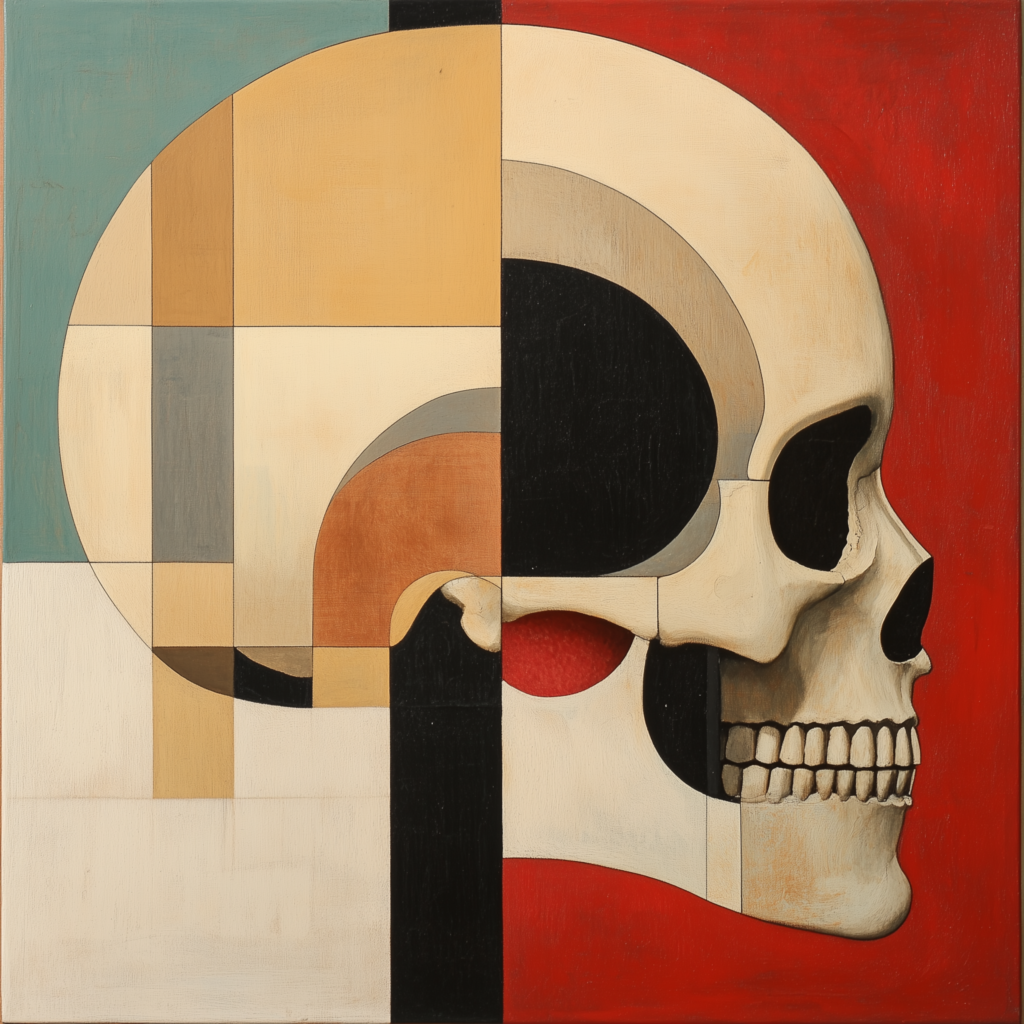
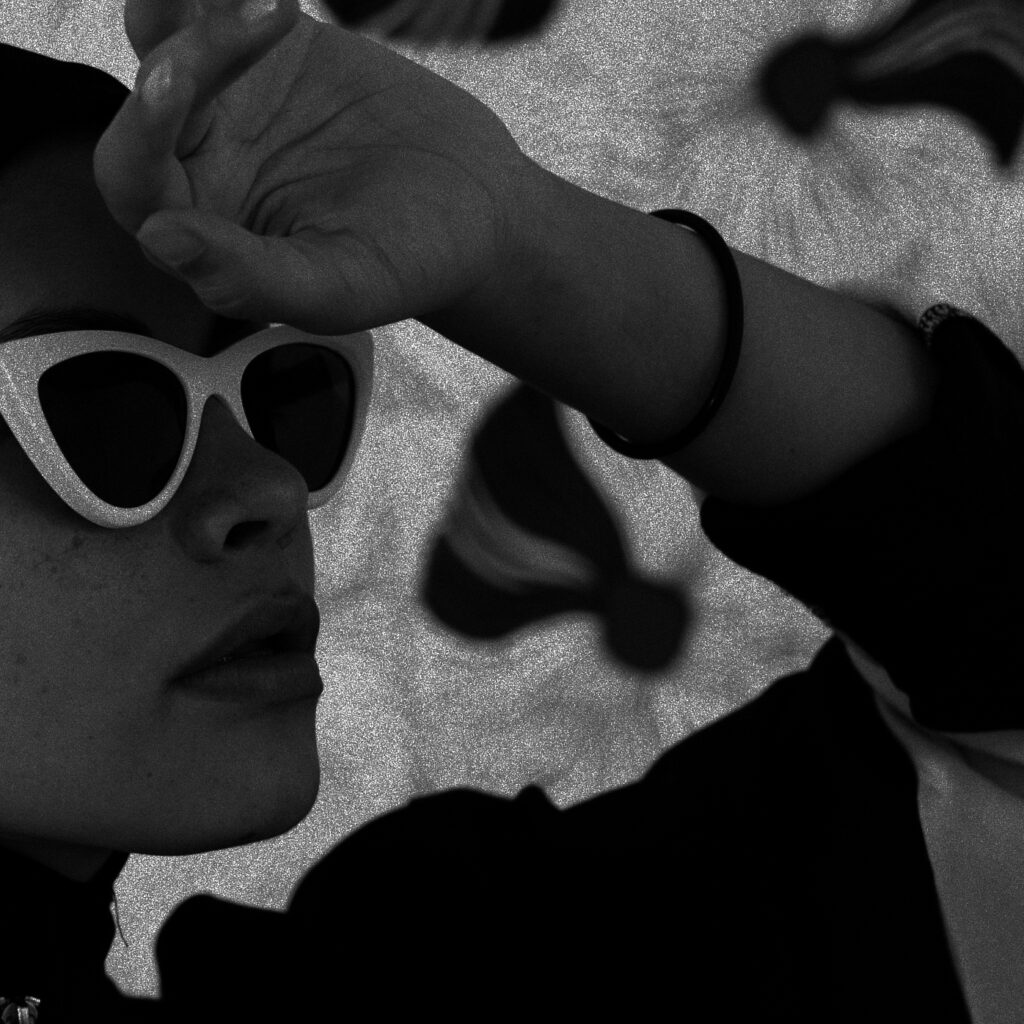
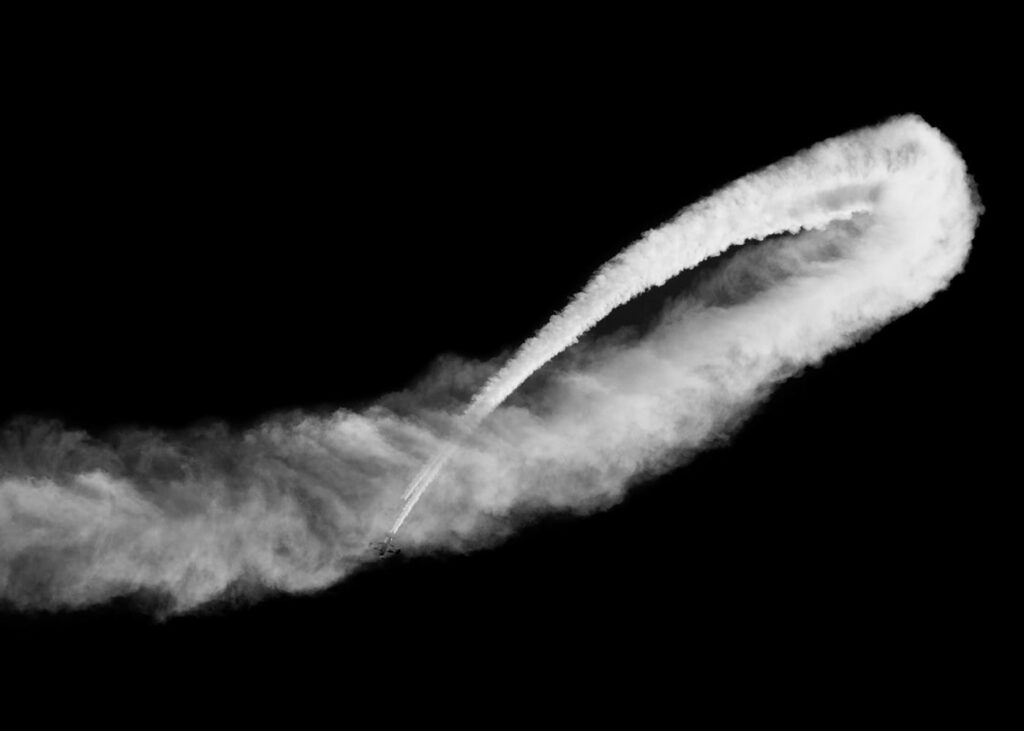
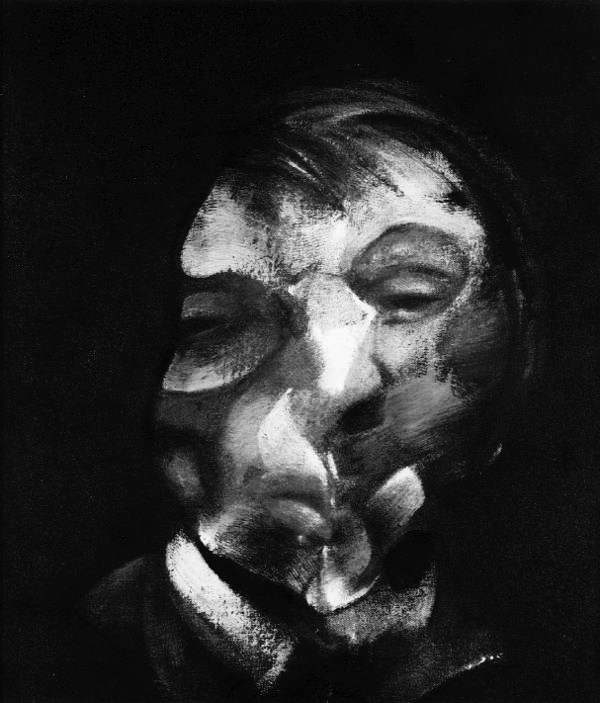
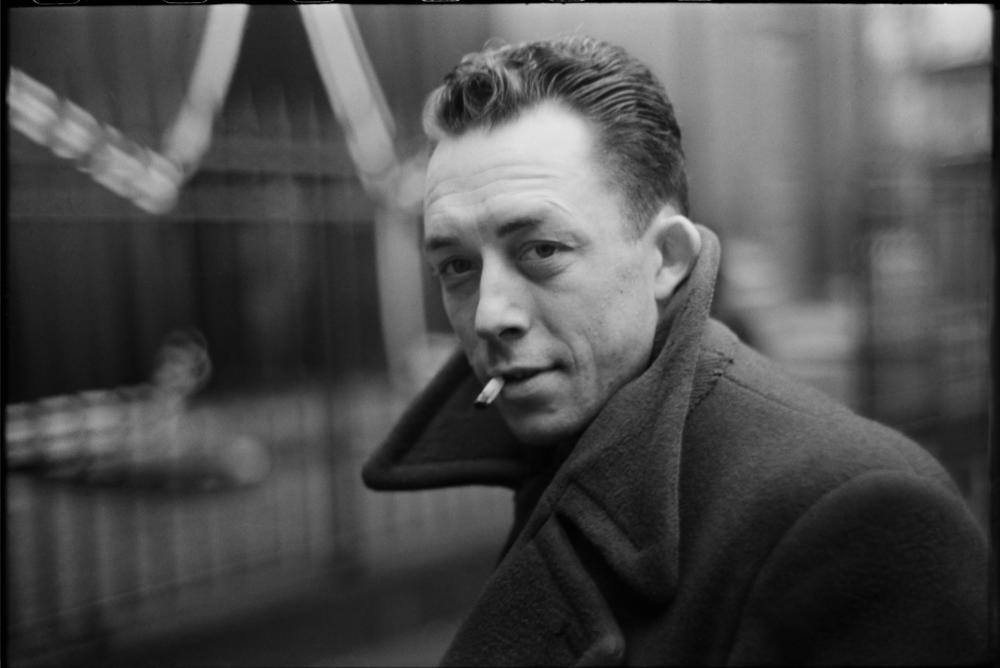
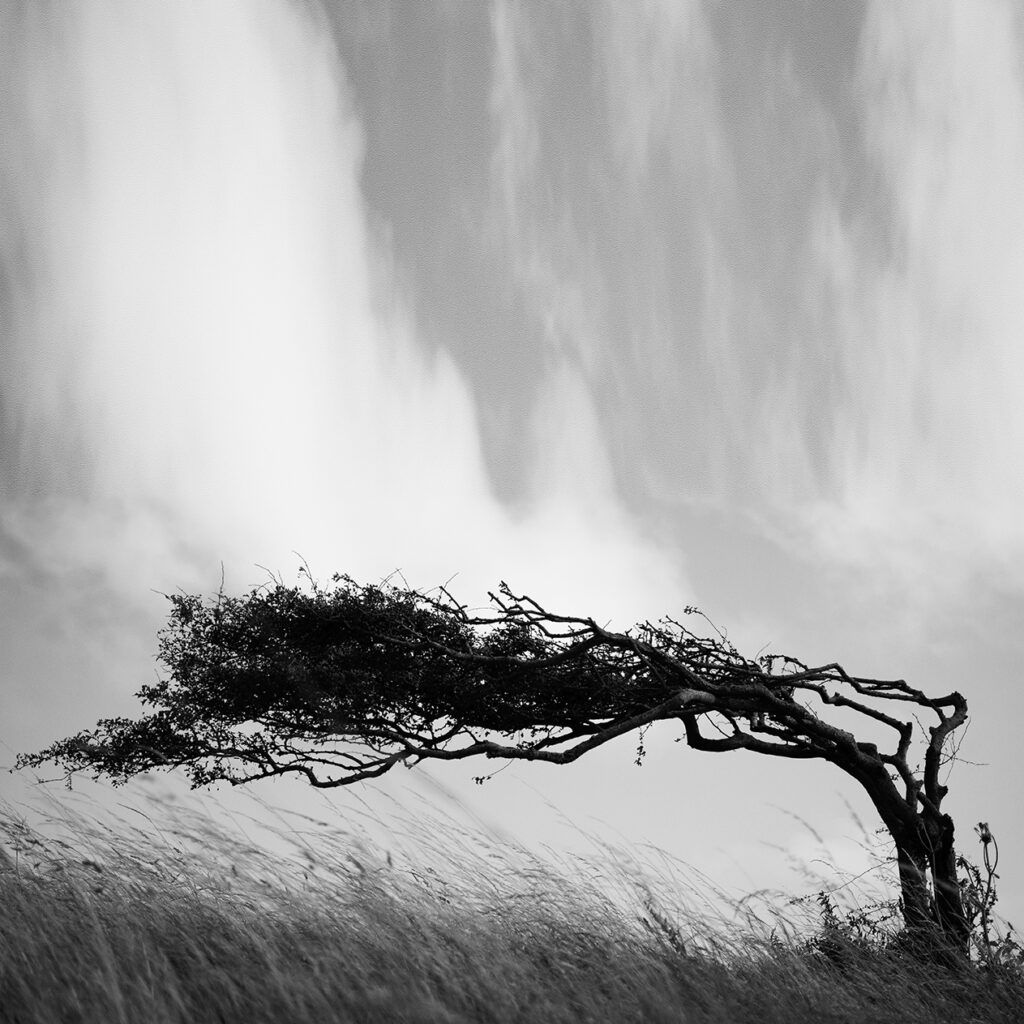
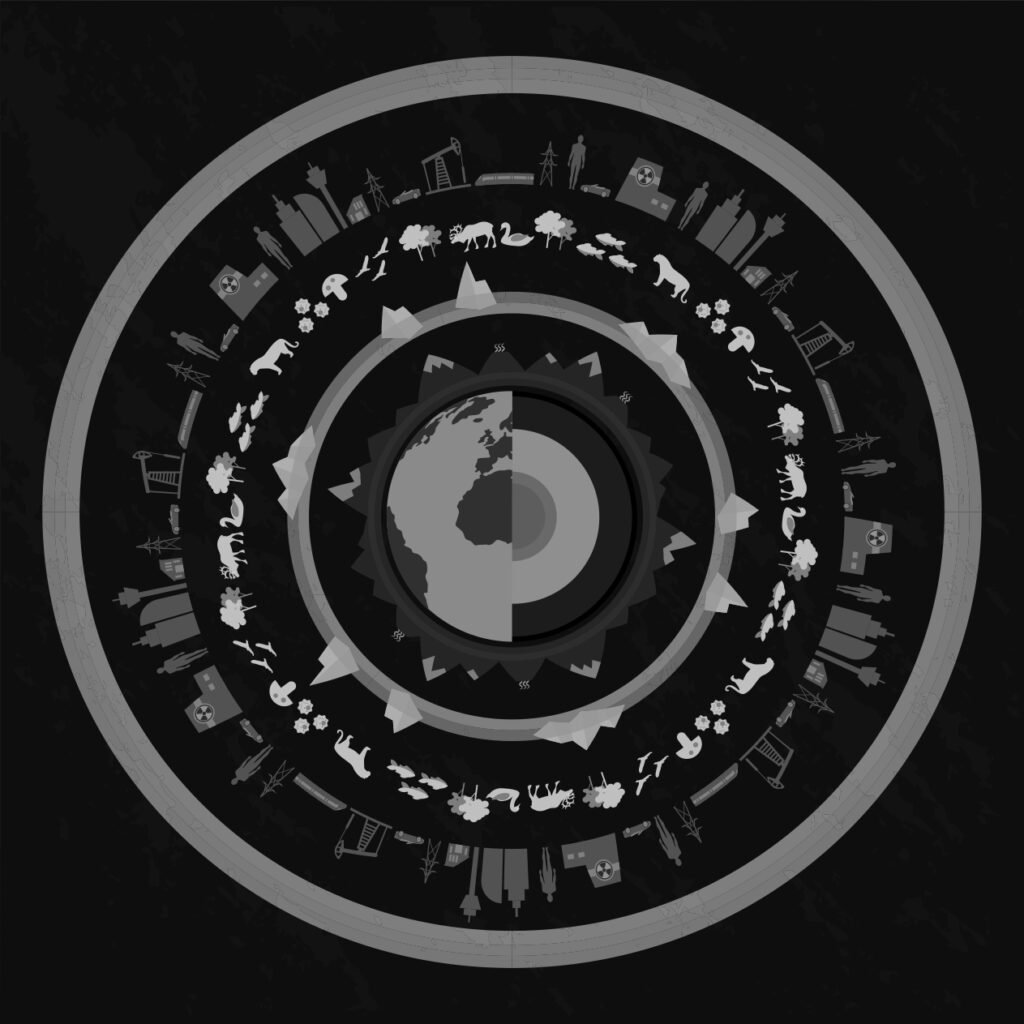
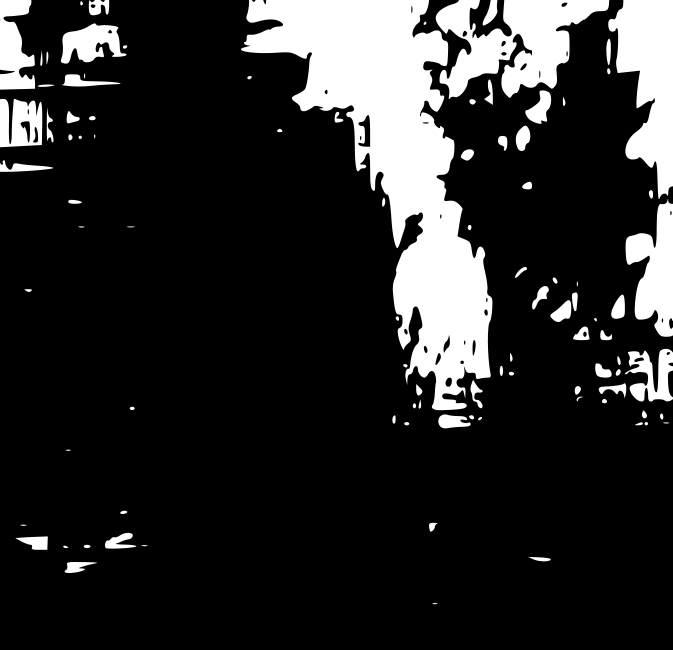
NEURIMAGES is an artistic experiment based on a storytelling machine that automatically generates synthetic images as new words and sentences are written. The result is then randomly vectorized and decolorized. The content of the images is based on famous poetry fragments and is printed on handcrafted material. Art pieces are sold for zillion euros. NeurimageResonativs: using AI technology to create music from Neurimages. G. Velghe brought up the idea to rorschachisize the outcome. What is your perception?
Brusselmans1.0
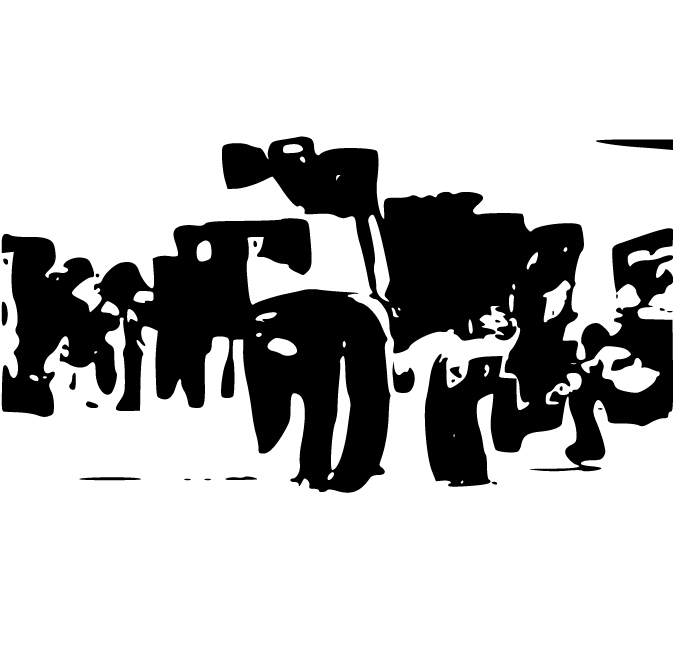
TXT1.0
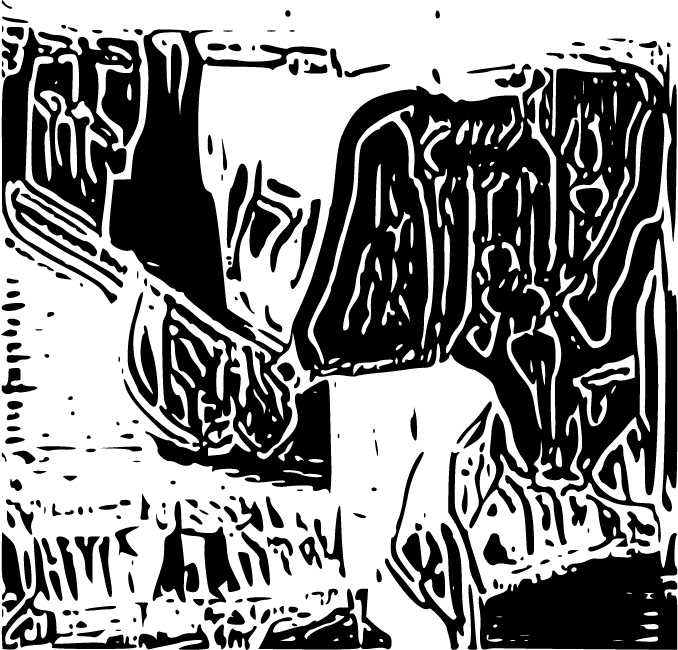
GEZELLE1.0
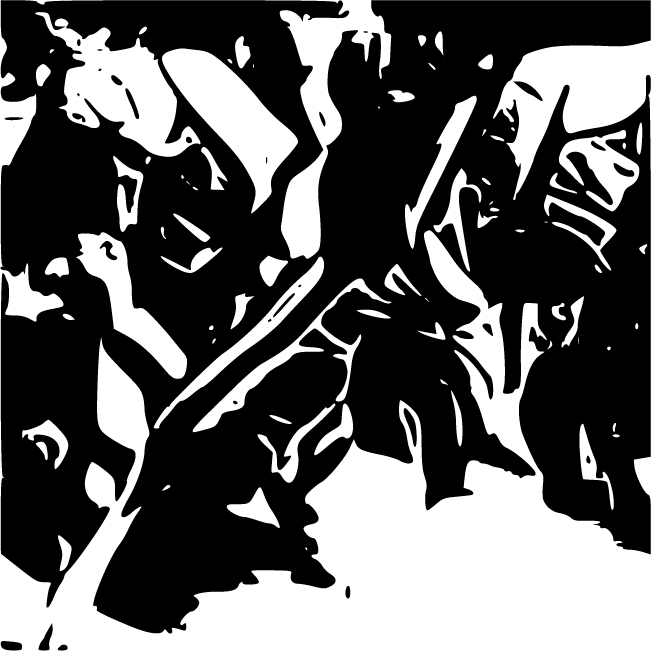
KEATS1.0
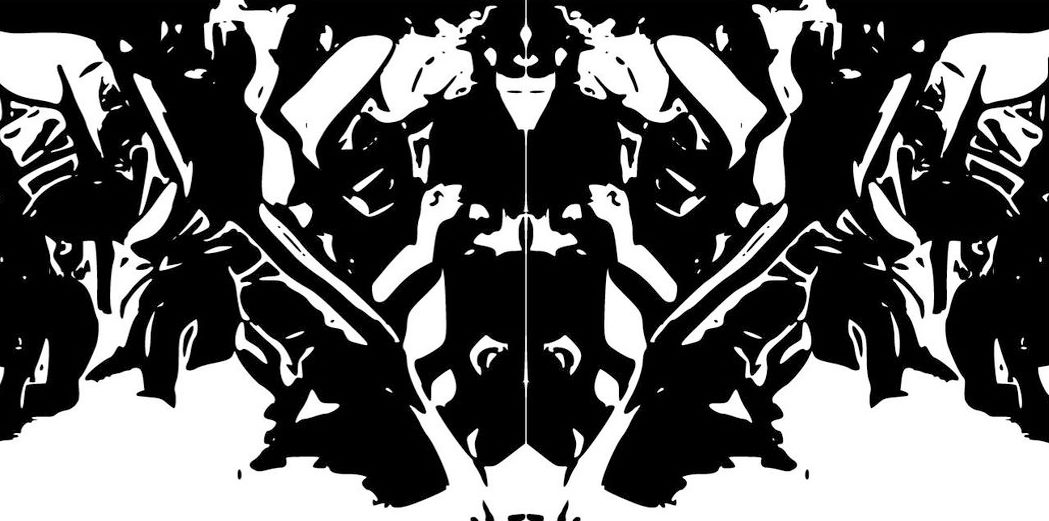
rorschachization of Keats1.0 – kudos to G.Velghe.
KUDOS TO
- Cadell Last – https://cadelllast.com/
- Ann Eysermans – http://www.anneysermans.be/
- Niki Vervaeke – https://www.arche-nv.be/
- …